
When George Lucas was filming American Graffiti, finding the right cars wasn’t just decoration, the vehicles were the story. Those tail-finned cruisers and hopped-up hot rods carried the characters through their final night of small-town innocence in 1962 California. The same principle holds true today. Whether it’s a gleaming 1950s cruiser parked at a drive-in or a rumbling late-’60s muscle car tearing down a highway, the perfect vintage vehicle instantly pulls audiences into another era.
Most viewers assume studios maintain giant warehouses packed with pristine classics ready for any scene. The reality is far more interesting, and human. Hollywood rarely owns these cars outright. Instead, the iconic vehicles you see on screen almost always belong to private collectors and enthusiasts who have devoted years to restoring and preserving them.
Finding the Exact Right Car
Filmmakers are notoriously picky. A story set in 1962 demands the correct model year, paint color, trim, and even hubcaps. Production teams scour collector clubs, museums, specialty agencies, and individual owners across the country.
Sometimes the hunt takes weeks of phone calls, photos, and negotiations.
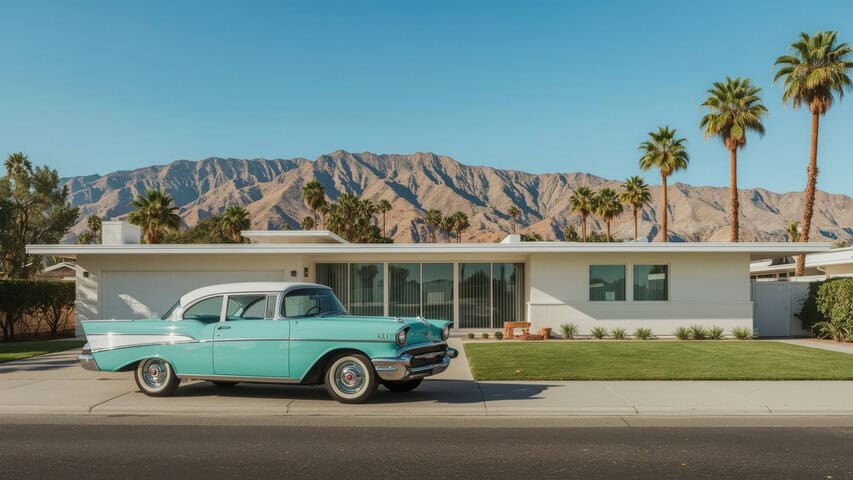
Authenticity is everything. Car enthusiasts will call out inaccuracies instantly on social media, and even casual viewers can sense when something feels wrong. That’s why certain models remain favorites: the 1957 Chevrolet Bel Air, early Ford Mustangs, or certain Cadillacs instantly evoke a specific time and place. Explore more iconic 1950s cars here.
The Collectors Who Make It Happen
The heart of this process lies with the owners themselves. Many aren’t wealthy collectors with fleets, they’re everyday enthusiasts. Some inherited a family car and spent decades restoring it on weekends. Others hunted for the exact model they dreamed about as kids.
Lending a prized vehicle to a major production is thrilling but stressful. Owners know every quirk, every repaired panel, and every story the car carries. While payment is involved, passion usually drives the decision. Seeing your car appear on screen feels like sharing a piece of personal history with millions of viewers.
Many owners treasure framed set photos displayed alongside their restoration shots. Long after filming wraps, they still point to the TV with pride: “That’s my car.”
Why One Car Is Rarely Enough
Movie magic hides the complexity. The hero car used for close-ups is often different from the stunt vehicle or the mechanical backup used for long driving scenes. This multi-car strategy protects rare originals while giving directors the flexibility they need.
Classic cars can be unpredictable. A vehicle that runs flawlessly at a weekend car show might overheat under hot lights or after repeated takes. Breakdowns cost valuable production time, so backups are essential. For the rarest models, strong relationships within collector communities become invaluable
Transporting These Cars Across America
Before any car reaches the set, it often embarks on its own cross-country adventure. A collector in Ohio might supply a vehicle for a shoot in California. A TV series filming across multiple states requires cars to travel with the production, sometimes moving several times before finally returning home.
This is where classic car transport specialists step in. Vehicles are usually moved in enclosed trailers to shield them from weather, road debris, and extra mileage. These machines have already survived 60 or 70 years, they deserve careful handling. The cost to ship a car is certainly factored in, but owners and productions prioritize safety and condition over finding the cheapest option.
Insurance, detailed route planning, and precise scheduling are all critical, because a late arrival can shut down an entire day of filming.
Many cars also stop at specialist workshops beforehand for period-correct details, mechanical tuning, or subtle modifications (like hidden camera mounts) that are later removed to preserve originality.
On Set: Camera-Ready Care
Once on location, mechanics and detailers inspect every inch. High-definition cameras are merciless and reveal flaws invisible to the naked eye, so polishing, touch-ups, and adjustments are standard. Temporary filming modifications are installed and removed with care.
These caretakers see themselves as stewards of automotive history, a mission shared by organizations like the Historic Vehicle Association. Groups dedicated to preservation help ensure these rolling pieces of America’s past continue to tell their stories for future generations.
Cars That Become Legends
Some vehicles achieve fame equal to their co-stars: the Back to the Future DeLorean, the Bullitt Mustang, or the custom rides featured in Mad Men. Yet most quietly return to private garages or museums after filming ends, resuming ordinary lives now enriched by their Hollywood chapter.
The Human Network Behind the Glamour
What makes this whole process remarkable is the dedicated community involved, collectors, mechanics, brokers, transport teams, and production crews working together to bring authentic history to the screen without damaging the artifacts they love.
The next time you spot a gorgeous vintage car cruising across your screen, remember: it probably didn’t roll out of a studio lot. It came from someone’s passionate collection, traveled carefully across the country, and received loving attention from people who see these machines as more than just props. That human connection is what gives these films and shows their soul and keeps America’s automotive heritage alive, one carefully chosen classic at a time.