
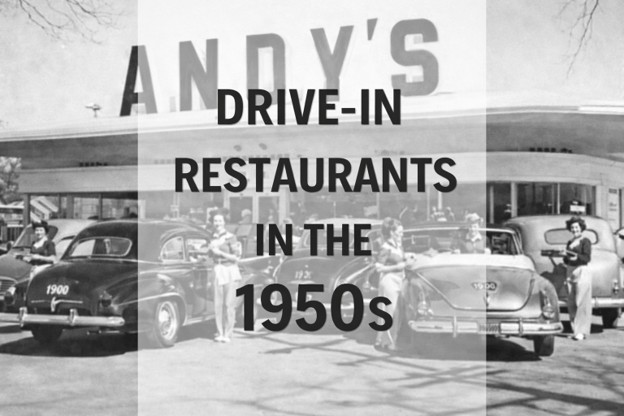
The 1950s were a decade of change and excitement in America. Following the Second World War, the country saw the dawn of economic prosperity, new suburbs were constructed, and more families had access to automobiles than ever before. With this change of time came new modes of socialization, travel, and dining. One of the more memorable aspects to arise from the times was the emergence of drive-in restaurants.
Drive-in restaurants were made in order to accommodate the rising number of automobiles. Instead of having to park and go inside to eat their food, customers could stay in their vehicle while ordering and eating their food. This simple idea became a national trend, which became roadside culture throughout the decade.
More than places to eat, drive-in restaurants became popular social places. Families stopped there on road trips, teenagers grazed with friends, and couples had casual dates. Because of their convenience, boisterous atmosphere, and association with car culture, drive-in restaurants became an iconic symbol of life in the 1950s.
The Growth of Car Ownership
One of the main reasons for the popularity of drive-in restaurants was the large increase in car ownership after World War II. By the beginning of the 1950s, millions of American families had bought their first cars. Cars were no longer thought of as luxury goods. They have become a necessary event in people’s daily lives.
At the same time, new highways and new suburban neighborhoods were developing in the country. Families often lived further from urban centers and had access to their cars for shopping, getting to work, and entertainment. Businesses also noticed this change quickly and began to customize their services to customers who arrived by car.
Drive-in restaurants were a perfect fit in this new lifestyle. They could provide a place for drivers to stop for a quick meal without having to get out of their vehicles. This convenience made them especially appealing to travelers and harried families.
How the Drive-In Restaurant Worked
The service system at the drive-in restaurants was simple yet unique. Customers would park their cars in designated parking spots and place their orders from their cars. Many drive-ins had small speakers or menu boards beside each parking spot.
One of the most significant characteristics of these restaurants was the carhop. Carhops were servers who walked or skated to each car to take orders and deliver food. They often wore uniforms that offered personality and style to the restaurant.
After preparing the meal, the carhop would take the food out on a tray that could be attached to the car window. This enabled the customer to eat comfortably in their car seats.
The whole impression was modern and exciting at the time. It was fast and convenient, unlike traditional restaurants.
A Social Gathering Place for Teenagers
Drive-in restaurants were particularly popular with teens in the 1950s. Young people had more money and freedom to spend than previous generations did. With cars available to many teenagers, the drive-in was the perfect location to meet your friends.
After school, teens would often drive to local drive-ins to talk, listen to music on the radio, and talk about snacks. On the weekend, the parking lots could be full of groups of friends enjoying the vivacious environment.
The drive-in was also a popular place to go on dates. Couples could spend time together in a relaxed environment without the formalities of a restaurant. Because of this connection with youth culture, drive-ins were consequently often associated with the rise of rock and roll music and teenage independence.
The Appeal of Neon Signs and Roadside Design
Another reason why drive-in restaurants became such a memorable experience was their visual style. Many such businesses were designed to attract the drivers who passed by on busy roads.
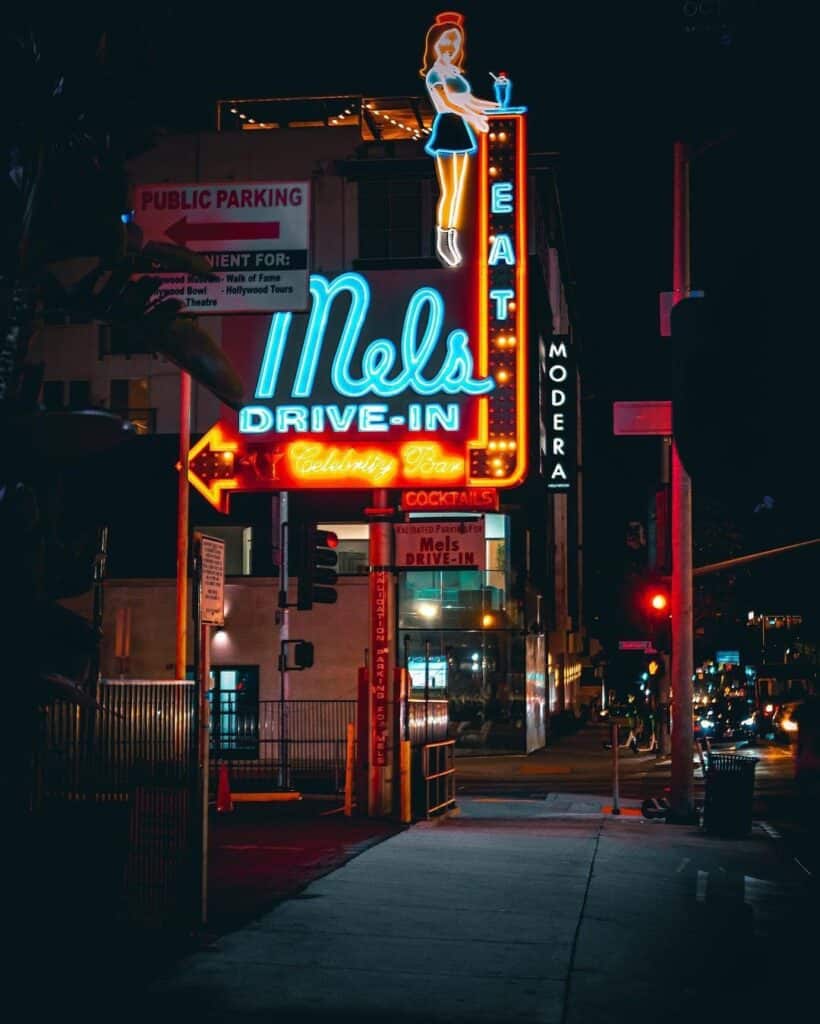
Large neon signs, colorful lights, and bold shapes made drive-ins easy to spot from a distance. Some of the signs were in the form of hamburgers, milkshakes, or arrows that pointed towards the parking area.
At night, bright lights produced a vibrant and friendly atmosphere. The glowing neon signs became an icon of mid-century roadside culture, and a source of even more excitement when visiting a drive-in restaurant.
These eye-catching designs were also helpful in helping businesses compete for attention along busy highways.
All-American Drive-In Menu Favorites
The menu at the majority of drive-in restaurants was simple, but satisfying. Fast service was important, and hence the food was often easy to prepare and to serve.
Common menu items included hamburgers, cheeseburgers, hot dogs, French fries, onion rings, and milkshakes. Soft drinks and root beer floats were also popular options.
Due to the low cost of the meals, drive-ins appealed to a wide range of customers. Families could have a quick dinner, teenagers could purchase snacks with pocket money, and travelers could stop to have a convenient meal by the roadside.
These classic foods later became staples in America’s fast-food culture.
Drive-ins and the American Road Trip
The 1950s were also the American road trip golden age. Families went on long trips during the vacations and summer holidays, visiting different parts of the country.
Drive-in restaurants became a natural place on highways and along road sides. Travelers liked the speed and the fact that they could eat without unloading the car and finding a proper dining room.
For many people, memories of family road trips include stopping at a brightly lit drive-in restaurant after long hours of driving. These experiences contributed to the bonds between the drive-in restaurant and American travel culture.
Long-Lasting Impact of Drive-In Eateries
Although many traditional drive-in restaurants vanished as fast-food chains proliferated in later decades, their influence is still visible today. Some classic drive-ins still exist and maintain the nostalgic experience of carhop service and outdoor dining.
The concept of drive-in also influenced the development of modern fast-food restaurants, drive-through windows, and casual eating of roadside food.
Today, the drive-in restaurant remains a significant part of American cultural history. They are the symbol of a time when cars represented freedom, neon lights brightened the highways, and a simple burger and milkshake could help friends and families get together. Don’t miss out on an opportunity to visit an original drive-in restaurant! Follow here to discover them.